
- What is KloudGin?KloudGin is the utility industry's only cloud-native, mobile-first platform that unifies Construction Project Portfolio Management (CPPM), Enterprise Asset Management (EAM), and Field Service Management (FSM) in a single system called the Single Face of Work®. Purpose-built for utilities and public sector organizations, KloudGin eliminates the system silos that drain 20-30% of workforce productivity by 20–30%. Customers include DTE Energy, Arizona Public Service, Veolia, El Paso Electric, ENSTAR Natural Gas, DC Water, Louisville Water, and California Water Service.
- What does "Single Face of Work®" mean?
Single Face of Work® means one platform, one mobile app, one data model, and one source of truth across Construction, Asset, and Field Service Management. Field crews access asset history, work orders, customer information, GIS context, parts inventory, and safety procedures through a single interface instead of cycling through multiple applications. Engineering specifications flow directly from construction to maintenance, and customer service requests connect to the same asset data crews use in the field.
- What business value does KloudGin deliver?KloudGin delivers measurable financial and operational improvements by eliminating system fragmentation that reduces utility workforce productivity by 20–30%. Customers report +21% productivity gains, 26% faster resolution times, 20–25% improvement in first-time fix rates, over 91% customer satisfaction, and 30 minutes per worker per day recaptured, equivalent to two additional work weeks per worker annually. A mid-sized water utility eliminated $3.2 million in annual inefficiencies, and California Water Service achieved 98% operational efficiency during wildfire response.
- How quickly can a utility see value from KloudGin?KloudGin delivers measurable value in weeks, compared to the 18 or more months typical of legacy platform implementation. Our phased approach begins with a high-impact area, such as field service or asset maintenance, and produces results before expanding to other domains. One customer went live in 14 weeks versus 18 months for a comparable legacy implementation. KloudGin’s multi-tenant architecture removes delays caused by customization, with typical migration cost recovery within 18–24 months.
- How does KloudGin reduce the total cost of ownership?KloudGin reduces total cost of ownership by eliminating the four key cost drivers found in legacy systems: expensive customization, fragile point-to-point integrations, forced version migrations, and end-of-life risk. Every customer runs the same multi-tenant version with pre-built integrations to SAP, Esri, IBM, Oracle, CIS, ERP, OMS, ADMS, and DERMS, removing version drift, re-implementation cost, and sunset risk. Purpose-built platforms deliver 35–40% reductions in system maintenance costs compared to general enterprise alternatives.
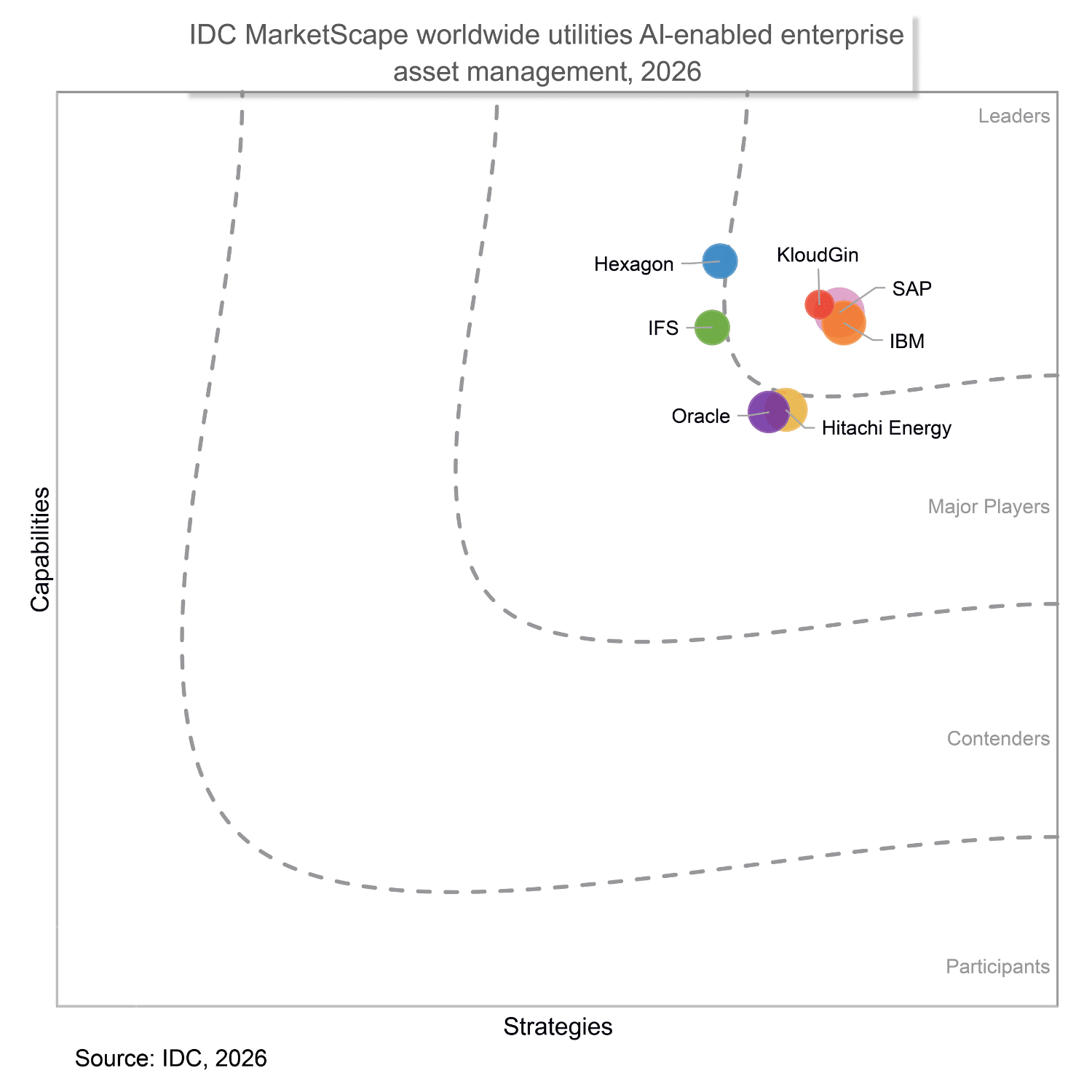
- What is KloudGin Enterprise Asset Management (EAM)?KloudGin EAM unifies every phase of the asset lifecycle -- planning, construction, commissioning, maintenance, and retirement -- in one mobile-first, AI-native platform. It manages both vertical assets (substations, treatment plants, pumping stations) and linear assets (pipelines, distribution networks, transmission lines), with a full asset registry, preventive and predictive maintenance, HSE compliance, supply chain, and prebuilt analytics. In 2026, IDC named KloudGin a Leader in the Worldwide Utilities AI-Enabled Enterprise Asset Management assessment.
- What capabilities distinguish KloudGin EAM?KloudGin EAM is the only enterprise asset management solution purpose-built for utilities that natively unifies EAM with FSM and CPPM in a single platform -- a combination general enterprise EAM systems cannot match. Core capabilities include complete asset lifecycle management in one system; unified vertical and linear asset management; embedded Esri GIS with native support for both Utility Network and Geometric Network; predictive maintenance powered by the AssetIQ agent family; pre-built integration with SAP and other systems of record; and a mobile-first interface designed around how field technicians actually work. IDC recognized KloudGin as a Leader in AI-Enabled EAM for Utilities in 2026 -- the only vendor holding that distinction alongside Leader recognition in FSM for Utilities.
- What is KloudGin’s AssetIQ (AIQ) AI agent family?AssetIQ (AIQ) is KloudGin's family of AI agents built for utility workflows. AIQ Atlas is the AI-powered field copilot, enabling voice-driven work order completion, hands-free troubleshooting, instant access to technical documentation, R3 (Record-Review-Report) mode for voice documentation, and LENS for visual asset identification. AIQ Apollo supports administrators and power users with plain-language UI configuration and prompt-driven workflow automation. Together, the AIQ family transforms KloudGin from a system of record into a system of work.
- What makes KloudGin unique?KloudGin stands out for three structural reasons. First, utility-only focus: every innovation, integration, and support decision is dedicated to utility and public sector operations. Second, native unification: KloudGin is the only platform that natively unifies CWM, EAM, and FSM, and is independently validated by IDC as the only vendor recognized as a Leader in both AI-Enabled EAM for Utilities and FSM for Utilities. Third, architecture: cloud-native, multi-tenant, and mobile-first, with every customer always on the current version and no sunset risk.
- How does KloudGin integrate with existing utility systems?KloudGin's integration library includes pre-built adapters for SAP (ECC, S/4HANA, S/4HANA Utilities -- adapter available on the SAP Store), Oracle, Esri ArcGIS (both Utility Network and Geometric Network), CIS, ERP, SCADA, ADMS, DERMS, OMS, AMI, IoT, and more. These are out-of-the-box integrations, not custom builds. Integration projects that previously required 6-12 months can now be completed in weeks.
- Will KloudGin require us to replace existing systems?No. KloudGin does not require a rip-and-replace approach. Your CIS, ERP, GIS, SCADA, and ADMS remain the systems of record for their respective domains. KloudGin extends and integrates with those systems, enhancing their value where work actually occurs. Customers use KloudGin alongside SAP, Oracle, Esri, and various CIS and ERP systems, with each system performing its core function while KloudGin connects them into a Single Face of Work® for field crews, dispatchers, and customer service teams.
- Can utilities configure KloudGin without coding?Yes. Through AIQ Apollo, administrators and power users configure UIs, workflows, and forms using plain language -- no coding required. Customer-built forms link directly to KloudGin surveys and integrate into workflows. Because configurations are applied to the multi-tenant platform, they don't fork a customer's environment into a custom version stranded on an old release.
- How does KloudGin support utility regulatory compliance?KloudGin embeds regulatory compliance directly into field workflows rather than treating it as a separate reporting layer. Safety procedures, inspection checklists, and compliance requirements are built into every work order so field crews capture accurate data at the point of execution. The platform is designed to support the workflows and documentation requirements underlying regulations such as PHMSA gas pipeline safety; EPA Safe Drinking Water Act and PFAS water quality mandates; NERC reliability and vegetation management standards; FERC Order No. 2222 DER aggregation requirements including battery storage and EV charging infrastructure; and MS4/NPDES stormwater and permitting obligations. Real-time dashboards and automated reporting provide immediate visibility into compliance status with full audit trail documentation across electric, gas, water, and public sector operations. Because every customer runs the same current platform version, compliance capabilities are continuously updated without requiring customers to manage upgrades or re-implementations.
- How does KloudGin handle data migration from legacy systems?KloudGin's migration approach achieves 99.97% data migration validation accuracy, even for more than 30 years of asset history. Pre-built integration adapters connect to SAP, Oracle, Esri, CIS, and other systems of record, turning what would be a one-time migration into ongoing live integration. The multi-tenant architecture also removes version-specific migration complexity common in legacy upgrades. Typical migration cost recovery is 18-24 months.
Industry Recognition
The Only Vendor Recognized by IDC as a Market Leader in Both AI-Powered Work Management and Asset Management for Utilitiess
Learn MoreIDC MarketScape: Worldwide AI-Enabled EAM for Utilities, 2026
The Single Face of Work®
One asset truth. One closed loop. One system for every linear and vertical asset — and every work type.

The Closed Loop
Asset strategy drives the capital plan, the work, and field execution — and the result writes back to the asset record, so reliability improves with every job closed.
Decisions on Current Data
Condition data stays current and risk scores stay real — because the field actually uses the system.

Plans That Get Delivered
A capital plan only creates value when executed. KloudGin runs both on one platform, not two stitched together.
Unified from day one, so the asset record stays current.

One Shared Data Model
Asset, work, and construction share one data model — not modules connected through fragile integration layers. Every field observation enters the asset record in real time, with no divergent records and no reconciliation.
Native Esri GIS Integration
Manage linear and vertical assets in one model, with live asset visibility and offline access for field crews — with native support for both Utility Network and Geometric Network.
Pre-Built Integration Adapters
Out-of-the-box adapters to SAP, Oracle, CIS, OMS, SCADA, ADMS, and DERMS. Integration projects that traditionally take 6–12 months deploy in weeks.
One Codebase. One Version.
Multi-tenant SaaS means every customer runs the same current version — no upgrade fire drills, no forced migrations, and 30+ years of asset history that outlive every upgrade cycle.
Solutions
Explore our utility and public sector specialized solutions
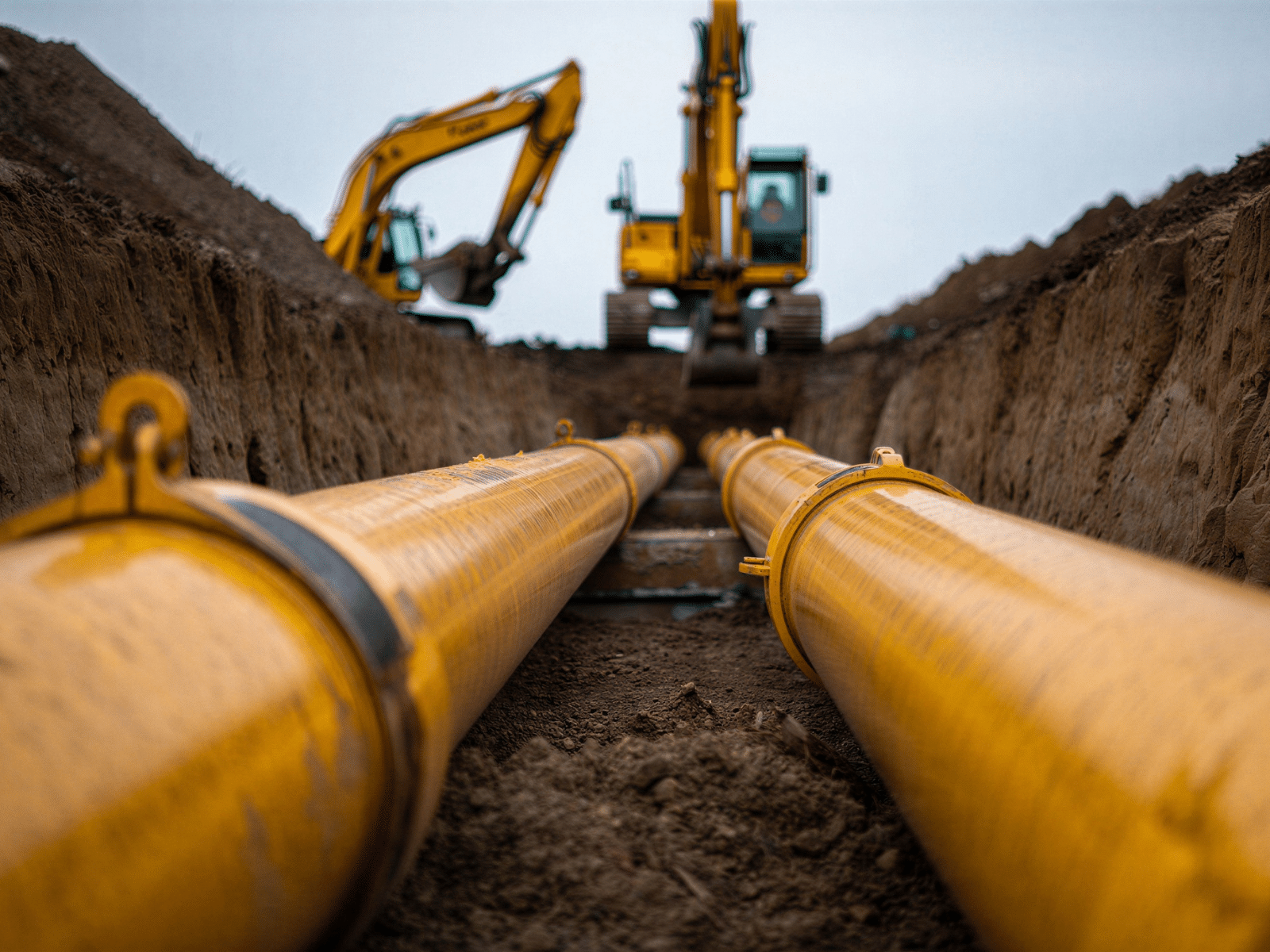
Construction Work Management

Connected Customer

Connected Contractor

As Built
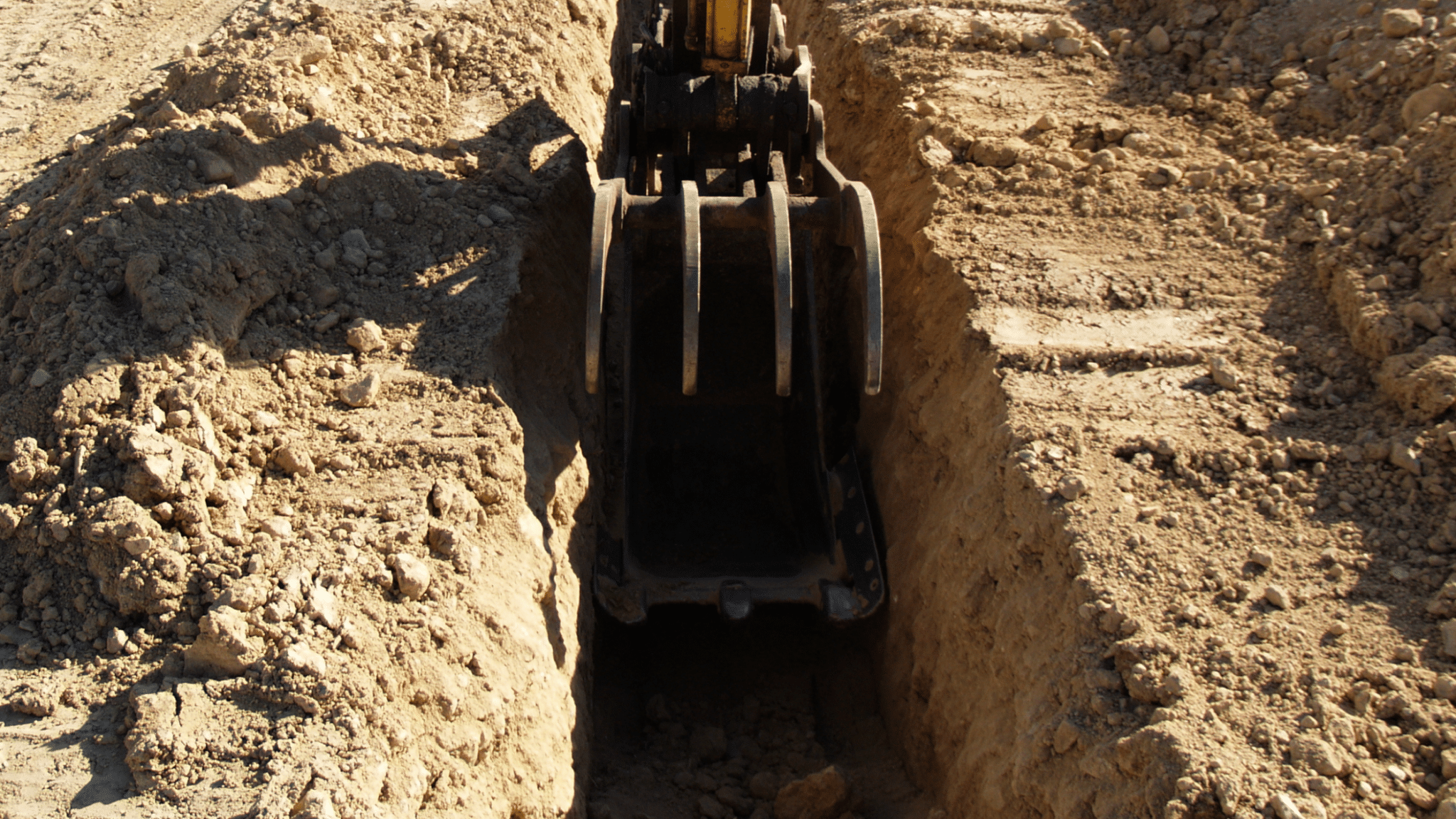
811: Call Before You Dig
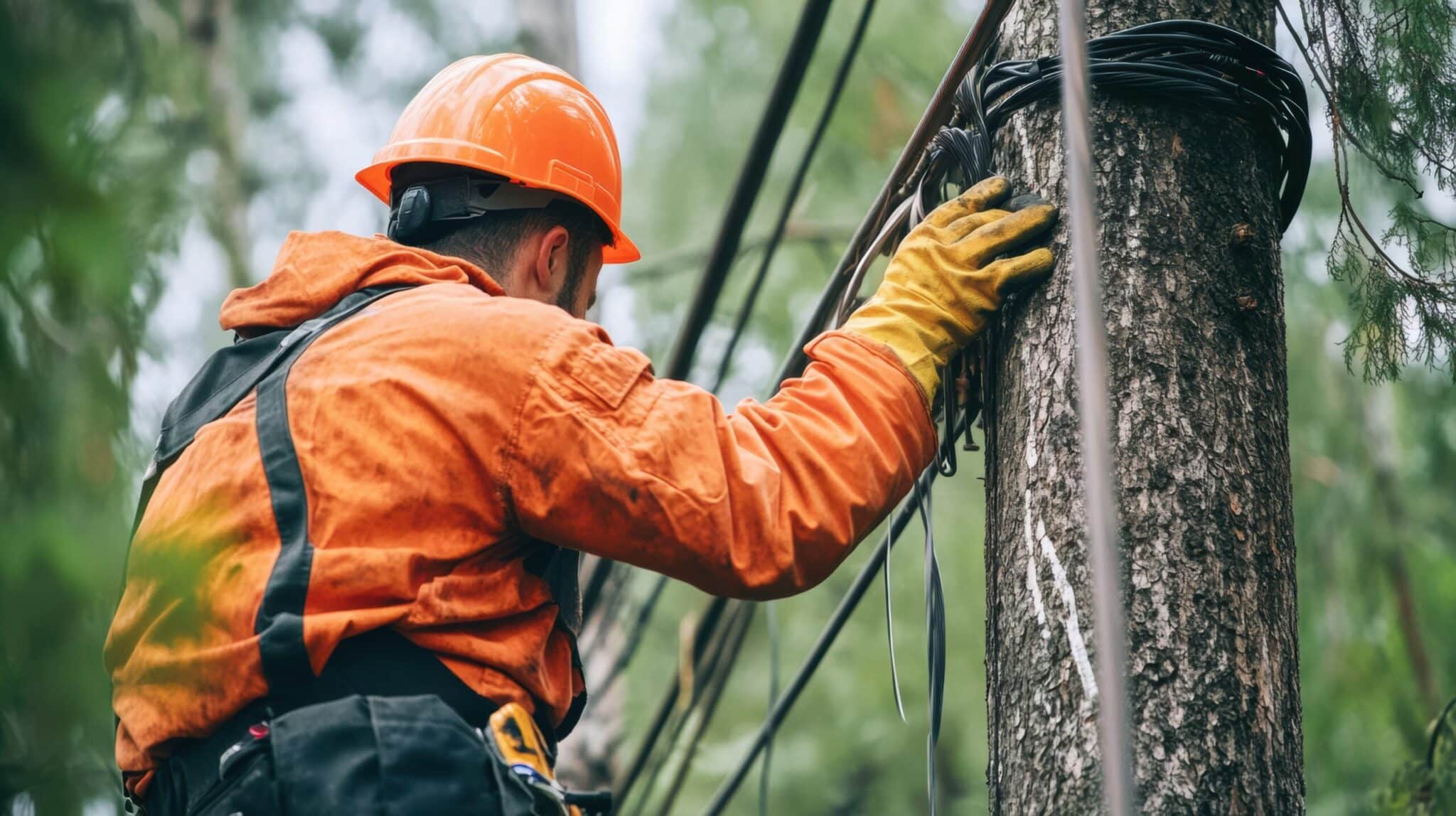
Vegetation Management

Beyond the Meter
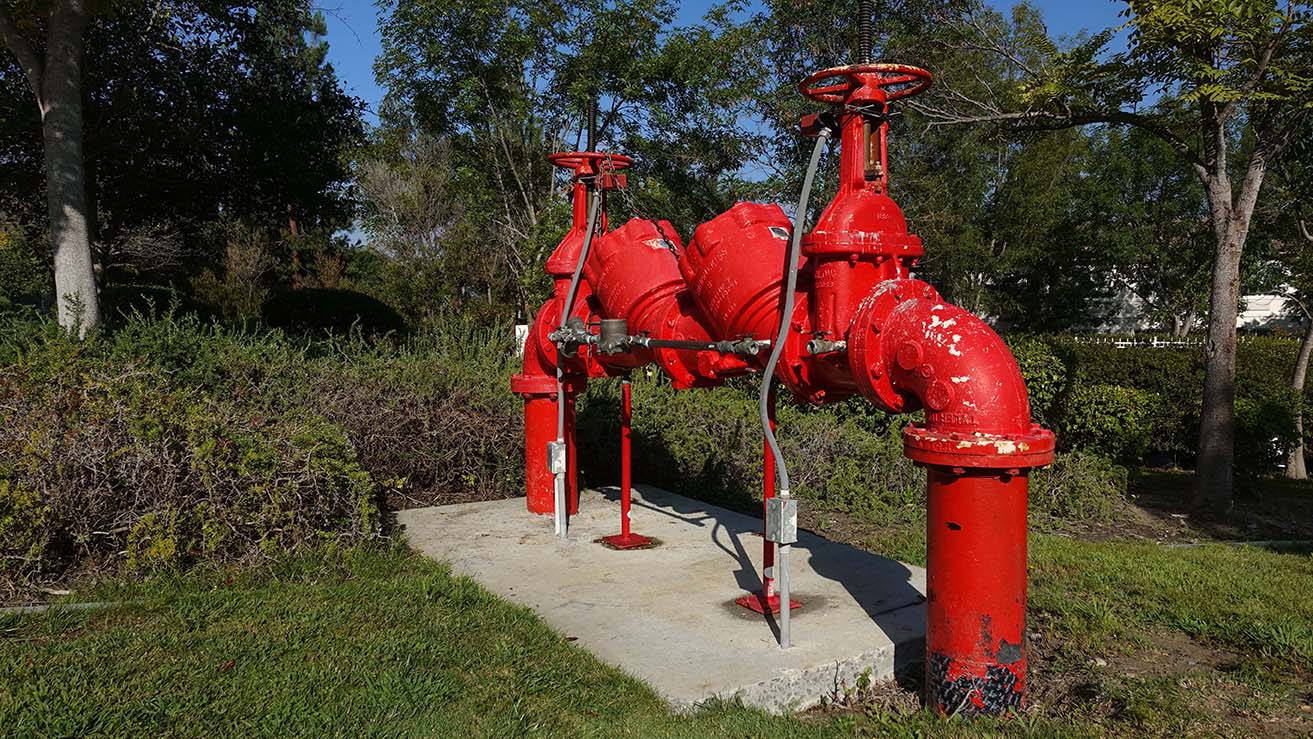
Backflow Prevention and Cross Control

Customer Service Lead Line ID

Pole and Transformer Inspection

Street Light Management

Hydrant Inspection and Flushing

Valve Tracing
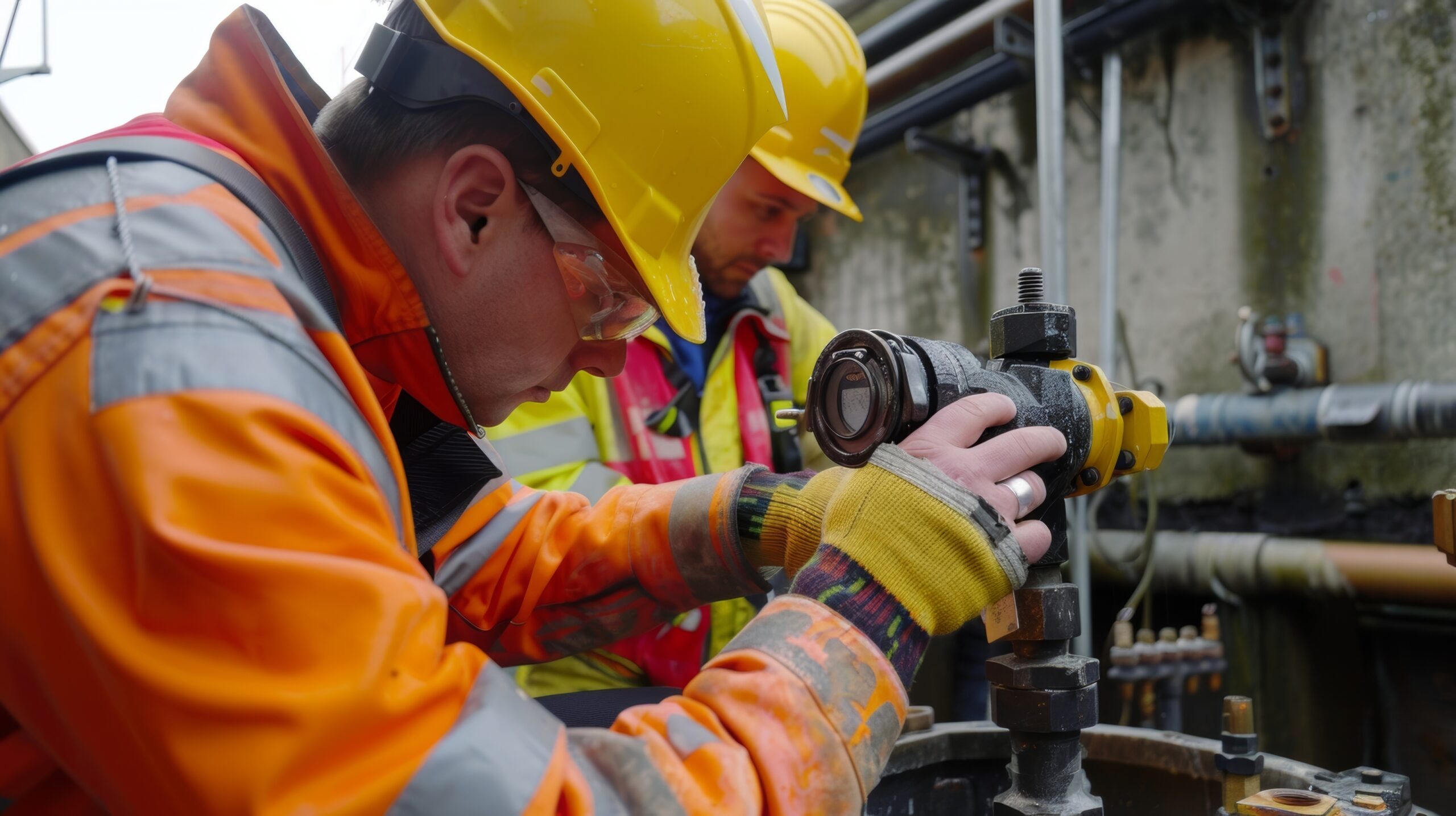
Gas Leak Survey
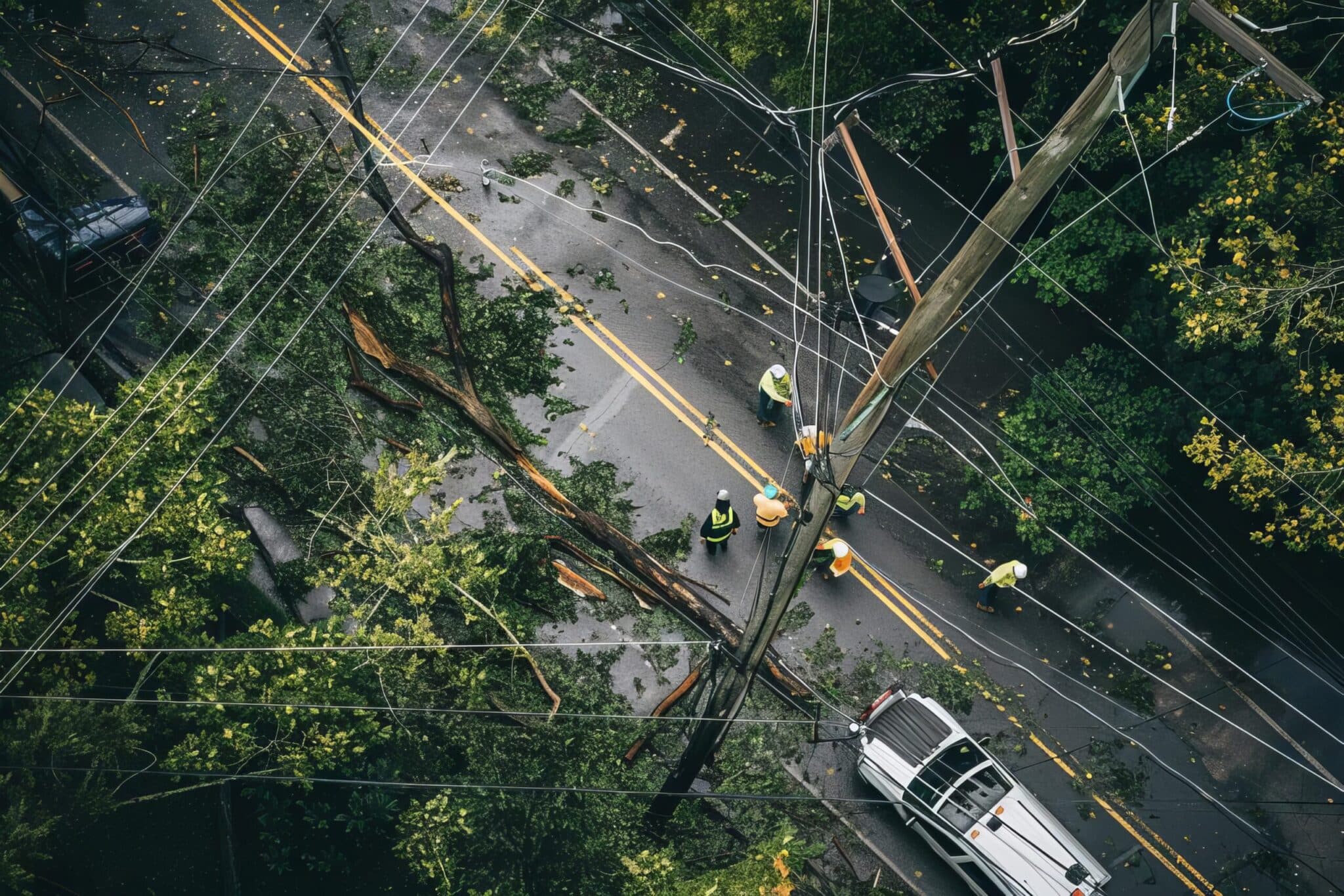
Emergency Response
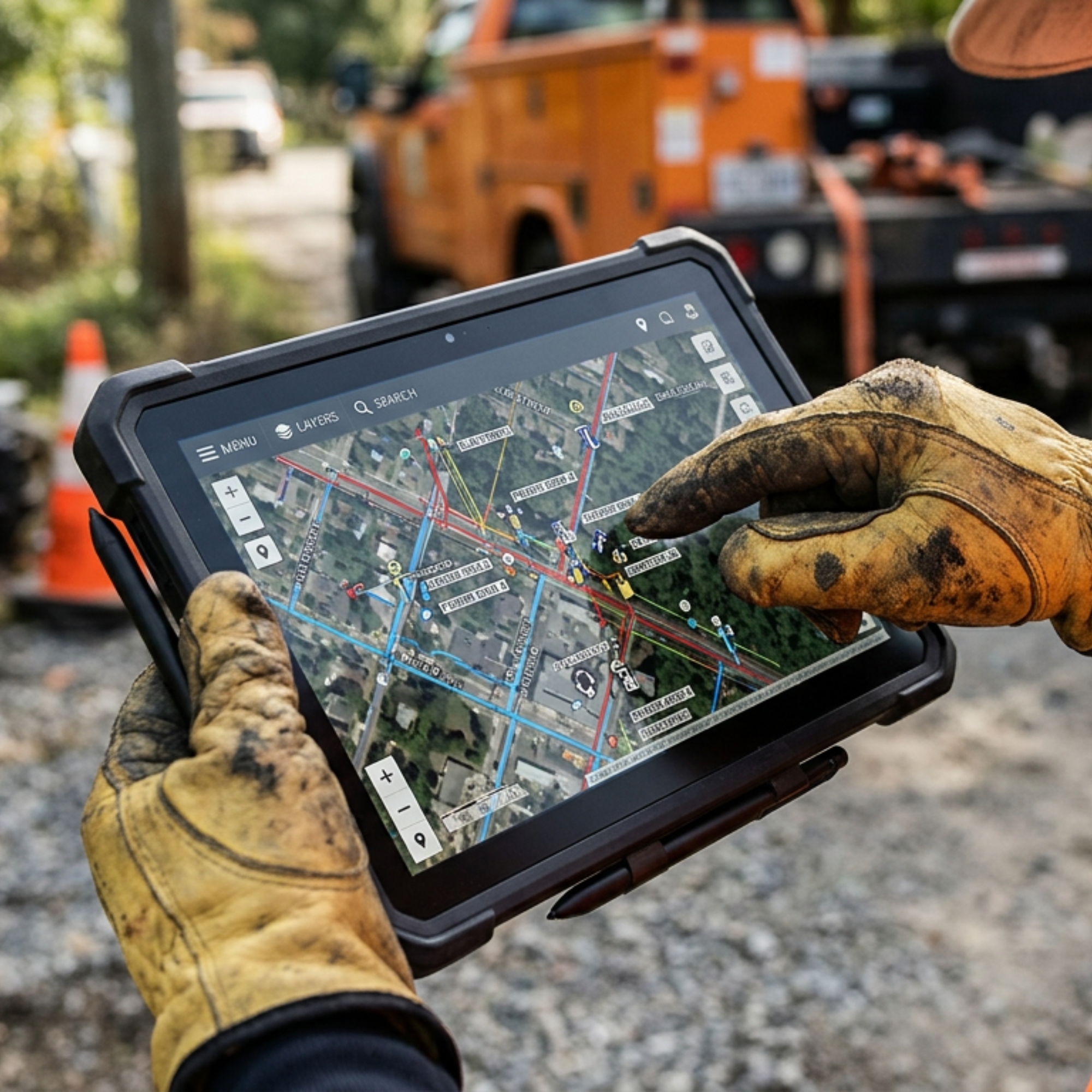
Asset Intelligence
Risk, criticality, and predictive, intelligent asset management
Fed by live field data, not a quarterly upload.
- Asset condition monitoring and criticality scoring
- Risk-based maintenance prioritization
- Preventive, corrective, and predictive maintenance
- AI-native asset health insights from the AssetIQ agent family
- Failure pattern detection across the fleet

Capital Planning
Capital planning and investment optimization
Bridging asset investment planning and field reality — the high-fidelity data ISO 55000 values most.
10–20%
capital program optimization through better asset intelligence
- Real-time asset health index built from field data
- Total lifecycle cost: remaining life, net book value, maintenance history
- Asset criticality: probability × consequence of failure
- Scenario planning and repair-vs-replace proof
- Build the capital plan natively — or feed your system of record

Compliance & HSE
Regulatory compliance, HSE, and audit-ready records
Regulator-defensible by design — one record, no cross-system discrepancies.
70%
fewer documentation errors during emergencies
- HSE risk and compliance management built into every work order
- Surveys and rule sets that keep SLAs and deadlines from slipping
- Complete, consistent asset history from commissioning through retirement
- Auto-generated audit trails and work orders
Customer Success
Trusted by utilities that can’t afford to get it wrong
Louisville Water
“We were so impressed with the team, the product, and the way it worked — we’ve been trying to figure out: what else can we get KloudGin to do for us?”
Emily O’Mara, Louisville Water
Read the full success story
Veolia Water
“In six years, we’ve grown and changed our platform, and KloudGin helped us do that every step of the way.”
Vincent Leone, Veolia Water
Read success story
Arizona Public Service
“We have everything at their fingertips now — all the safety notes, all the instructions, the gate codes.”
Mike Ribordy, Arizona Public Service
Read success story
Citizens Energy Group
“KloudGin consolidates everything — work order dashboards, Gantt charts, orders and alerts.”
Gary Young, Citizens Energy Group
Read success story

City of Pasadena
“We’ve brought in a platform that’s going to allow us to be ready for challenges we don’t even know about yet.”
Jeremy Marquette, City of Pasadena
Read sucess story
City of Waco
“We started as a utilities project. Since then, every field operating department in the city is on KloudGin.”
Lisa Tyer, City of Waco
Read success story
ArborWorks
“KloudGin brought orderliness to our crews — their confidence in the work they perform, their ability to speak to what they’ve done.”
Jack Sanders, ArborWorks
Read success story